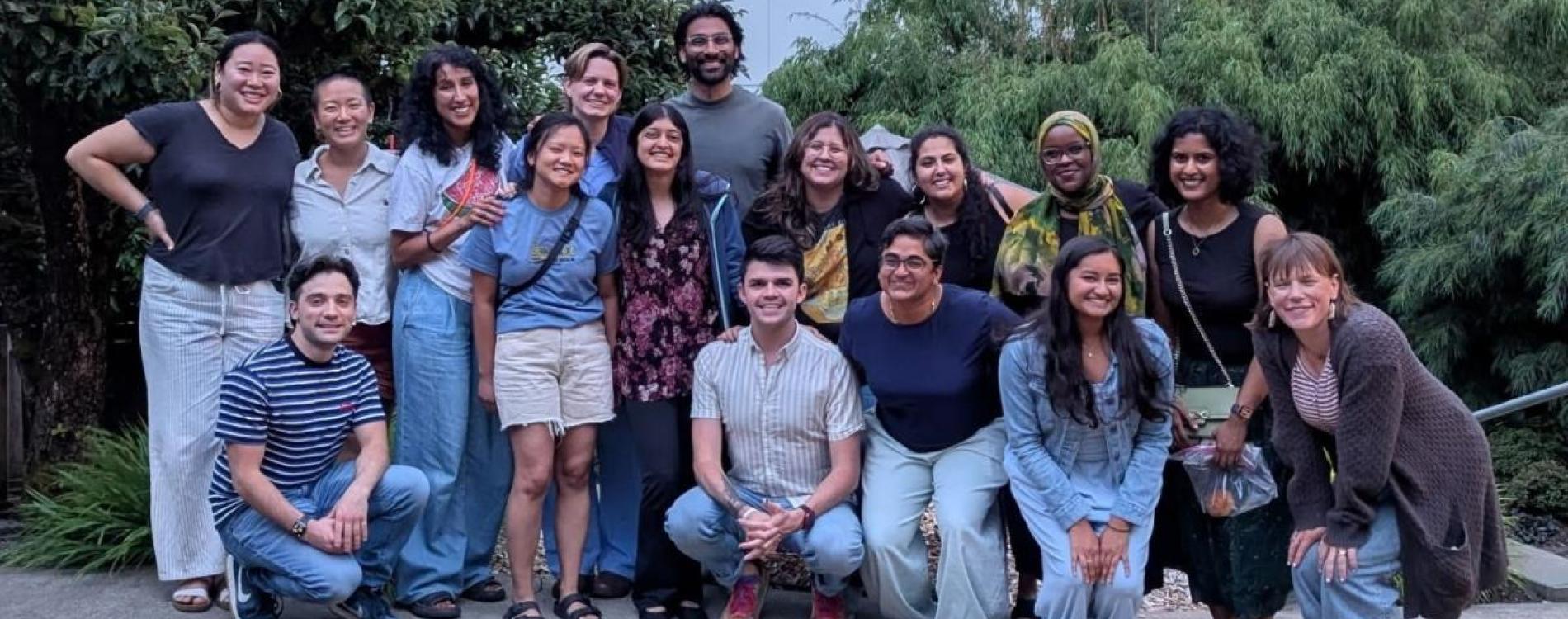
The Health Equity Track (HET) is a longitudinal leadership, advocacy, and scholarship experience for pediatric residents who are committed to advancing health equity and justice for children, adolescents, families, and communities.
Throughout residency, HET residents receive 21 weeks of dedicated time, mentorship, and training to develop the skills needed to recognize and address the structural drivers of health inequities. Residents engage in meaningful project work, build lasting community partnerships, and learn alongside a diverse network of academic leaders, community experts, advocates, policymakers, and fellow trainees who share a commitment to creating a more just future for children.
Learning Through Partnership
A defining strength of the Health Equity Track is its longstanding partnerships with leaders across medicine, public health, government, education, community organizations, and advocacy spaces.
Residents learn from nationally recognized experts while also spending time with local organizations and community leaders whose work directly impacts children and families throughout Seattle and King County. Community visits are integrated into curriculum time and provide opportunities to learn alongside organizations focused on housing justice, food sovereignty, Indigenous health, immigrant and refugee health, youth development, harm reduction, LGBTQ+ youth support, community organizing, and more. These partnerships allow residents not only to learn from experts but also to build relationships that can support future scholarship, advocacy efforts, and career development.
1) Critical Engagement, Education, and Leadership Development
Residents participate in a dedicated four weeks of curriculum each year that blends discussion, experiential learning, and practical skill development.
Through partnerships with nationally recognized faculty, local community leaders, advocates, researchers, and policymakers, residents explore topics through various lenses relevant to health equity. The curriculum is intentionally designed to move beyond theory and help residents build the skills needed to create change through advocacy, research, quality improvement, media engagement, grant writing, leadership, and community partnership.
Curriculum Priorities
The Health Equity Track combines interactive discussion, experiential learning, and practical skill development to prepare residents to become effective advocates, scholars, and leaders.
Explore the historical, structural, and policy factors that shape child health, including topics such as anti-racism, disability justice, climate justice, reproductive justice, community organizing, and the histories of marginalized communities in the Pacific Northwest.
Develop practical tools for advancing health equity through advocacy, policy engagement, grant writing, quality improvement, community-engaged and qualitative research, media communication, leadership, and partnership-building.
Participate in community visits, small-group discussions, narrative reflection, and conversations with community leaders, policymakers, researchers, and advocates. Residents are encouraged to connect these experiences to their own professional identities, career goals, and ongoing work with children and families.
2) Focused Mentorship
One of the most unique aspects of the Health Equity Track is the opportunity to develop sustained relationships with mentors and collaborators across disciplines.
Through individualized mentorship, dedicated faculty support, community partnerships, and access to a broad network of leaders in health equity, residents receive guidance not only on projects and scholarship but also on leadership development, career exploration, and personal growth. Our goal is for residents to graduate with a strong professional network, a meaningful body of work, and the skills necessary to advance health equity wherever their careers take them.
Residents are paired with dedicated HET faculty and are connected with a broader network of mentors across Seattle Children's, UW Medicine, community organizations, and regional advocacy groups. Once a resident identifies an area of interest, a mentorship committee is convened to support project development, scholarship, career exploration, and leadership growth. Our longstanding relationships with community partners, academic leaders, and former speakers create unique opportunities for residents to build professional networks that often extend well beyond residency.
Examples of community partnerships have included:
- Seattle Indian Health Board
- International Community Health Services
- Sea Mar Community Health Centers
- Lambert House
- Solid Ground and Marra Farm
- Othello Station Pharmacy
- Estelita's Library
- A Resting Place
- UW Center for Firearm Prevention
- Community-based substance use and harm reduction programs
These relationships create opportunities not only for learning, but also for future collaboration, scholarship, advocacy, and career development.
3) Protected Time for Meaningful Project Work
Residents have dedicated time throughout residency to pursue a health equity-focused scholarly, advocacy, quality improvement, educational, or community-engaged project.
Past resident projects have included:
- Developing curricula to counter race-based medicine
- Partnering with gender-diverse and unstably housed youth to improve health outcomes
- Community-based projects with immigrant and refugee communities
- Bringing community organizing principles into clinical spaces
- Expanding anti-racism mentorship opportunities for trainees
- Harm reduction and opioid use disorder prevention initiatives with local schools
- Advocacy efforts to support access to gender-affirming care
Residents are encouraged to pursue projects that align with their passions while building meaningful partnerships with communities and organizations.
4) Community Building
At its heart, the Health Equity Track is a community.
Residents participate in longitudinal gatherings throughout the year, shared curriculum experiences across residency classes, reflective discussions, and community-based learning opportunities. These experiences foster relationships among residents, faculty, community leaders, and partners while creating space for personal reflection, growth, and solidarity.
How will residents’ time be spent?
Residents have approximately 21 weeks of dedicated Health Equity Track time distributed across their three years of residency.
Each fall and spring, residents from all three classes participate together in a shared four-week curriculum block focused on leadership development, health equity, advocacy, community engagement, narrative reflection, and relationship building.
While each curriculum block is slightly different and changes yearly based on the priorities and needs of the residents, below is a sample of what a typical curriculum block week would look like.
Sample Curriculum Week
| Day | Session 1 | Session 2 | Session 3 |
| Monday | Structural Racism & Child Health | Histories of Medical Racism | Reflective Discussion |
| Tuesday | Community Organizing & Advocacy | Leadership Development | Community Partner Dialogue |
| Wednesday | Community Site Visit | Community Site Visit | Debrief & Application to Clinical Practice |
| Thursday | Community-Engaged Research | Grant Writing & Scholarship | Project Development |
| Friday | Media & Policy Advocacy | Quality Improvement for Health Equity | Mentorship & Reflection |
Throughout the curriculum, residents engage with academic and community leaders whose expertise spans health equity research, advocacy, quality improvement, reproductive justice, climate justice, Indigenous health, housing justice, gender-affirming care, youth incarceration, harm reduction, disability justice, and community organizing.
The remaining HET weeks occur throughout the year, with increasing protected time during the second and third years of residency. These experiences allow residents to deepen mentorship relationships, advance scholarly work, develop community partnerships, and implement projects aligned with their interests.
As in the categorical residency program, HET residents participate in the WWAMI rotation during the second year of training and build continuity clinic panels with priority placement at Odessa Brown Children's Clinic, Sea Mar Community Health Centers, or Harborview Pediatric Clinic. Due to curricular and time constraints, HET residents have reduced elective time and are not eligible to participate in other tracks or pathways within our training program, such as the REACH pathway.
Why Choose the Health Equity Track?
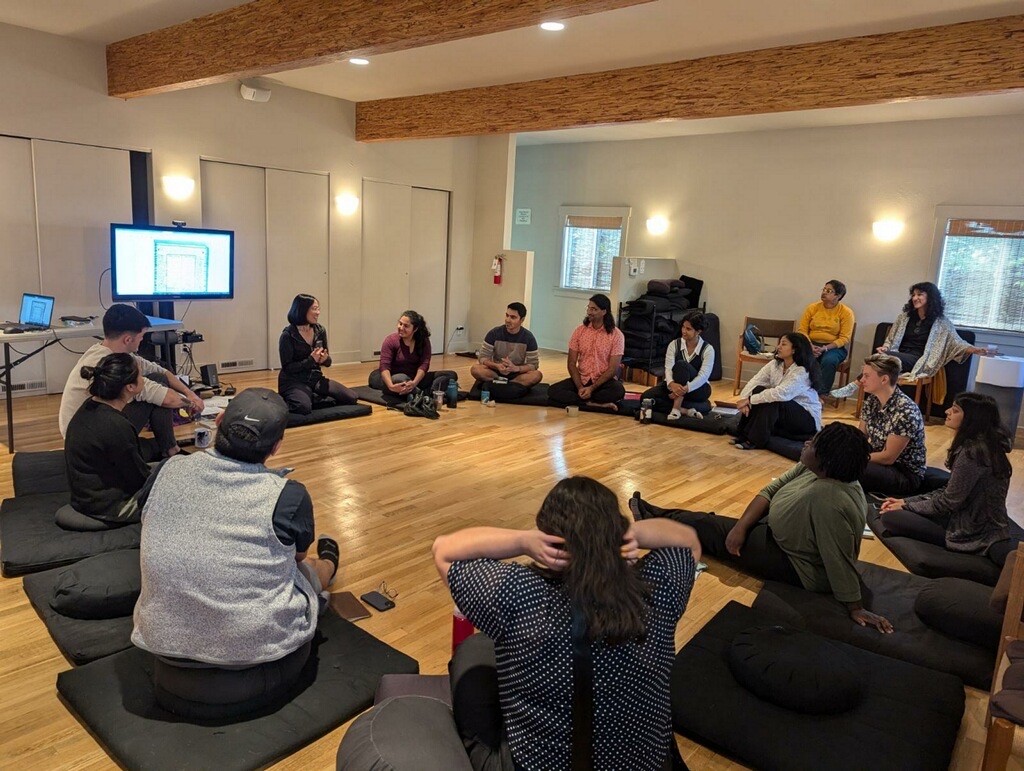
The Health Equity Track may be a good fit for you if:
- You are interested in becoming a leader in pediatric health equity, advocacy, community engagement, or systems change.
- You want dedicated training in understanding and addressing the structural causes of health inequities.
- You are excited to build authentic partnerships with communities, organizations, and advocates working toward health justice.
- You are seeking mentorship from faculty, researchers, policymakers, and community leaders who are actively shaping the field.
- You are interested in developing skills in leadership, advocacy, scholarship, quality improvement, research, and storytelling.
- You value reflection, community, and personal growth as part of your professional development.
- You are motivated to transform your experiences, values, and interests into meaningful action for children and families.
A Community of Learners and Changemakers
The Health Equity Track is designed for residents who are curious, collaborative, and committed to improving the lives of children and families. Whether your interests lie in advocacy, research, education, policy, community partnership, or clinical innovation, the track provides the mentorship, skills, and relationships needed to transform ideas into meaningful impact.
By joining the Health Equity Track, residents become part of a growing community of pediatricians working together to advance health equity locally, nationally, and globally.
How do I apply to the Health Equity Track?
As with the other individualized training tracks, the Health Equity Track residents will be firmly integrated within the categorical program and are a part of the larger family of the pediatric residency program. Given the dedicated time allocated to community-based projects and skill building, there is a separate match number to apply to the Health Equity Track. To be considered for both the categorical program and the Health Equity Track, you must apply to each separately using their individual match numbers.
Program Leadership
- Sabreen Akhter, DO, Director, Health Equity Track, Pediatric Emergency Medicine
- Alissa Darden, MD, Residency Program Director, Primary Care Pediatrics
- Elizabeth Dawson-Hahn, MD, Site Director, Odessa Brown Children’s Clinic, Primary Care Pediatrics
- Anisa Ibrahim, MD, Site Director, Harborview Clinic, Primary Care Pediatrics
- Vaidehi Pidaparti, MD, Core Faculty, Primary Care Pediatrics
- Tracy Seimears, MD, MEd, Associate Program Director, Pediatric Hospitalist Medicine
Angela Nguyen, MD, Executive Resident